Ear infections in pets can cause discomfort, similar to humans. When these infections become recurrent or persistent, they often stem from a condition that triggers inflammation and encourages the overgrowth of yeast or bacteria. Inflammation can develop from a variety of causes such as allergies, the presence of foreign bodies, polyps or tumors, endocrine disorders, and autoimmune skin diseases.
Various factors can cause pets to develop ear infections, for example, poor or unsuitable grooming routines (excessive hair plucking, use of cotton), swimming habits, and breed characteristics. Over time, chronic changes in the ear canal tissue, the formation of bacterial biofilm, the development of drug-resistant strains, and middle ear infections can complicate treatment effectiveness.
Recognizing Signs of an Ear Infection
If your dog or cat has an ear infection, you might notice one or more of the following signs:
- Head shaking, rubbing, or scratching of the ears or face
- Head tilting
- Crust or scabs in the ear
- Redness or swelling in the ear canal
- Excessive or dark brown ear wax
- Discharge (purulent, of any color)
- Bad odor
- Sensitivity or pain when touching the ears
- Loss of balance or coordination
- Hearing loss
Factors Likely to Cause Ear Infections in Dogs and Cats
Ear infections in pets can result from a variety of factors, including:
- Allergies: Sensitivity to certain substances in food or the environment can lead to recurrent ear infections, making allergies a primary cause in this case.
- Bacterial, Fungal, or Parasitic Infections: Microorganisms such as bacteria, fungi, mites, or ticks can invade the ear canal and trigger infections.
- Presence of Foreign Bodies: Objects accidentally entering an animal's ear can introduce infection-causing substances.
- Growths: Benign or malignant growths within the ear can disrupt normal ear function and create a fertile environment for infections.
- Weakened Immune System: Illnesses or psychological stressors can compromise a pet's immune response, making them more susceptible to infections.
- Trauma: Severe injury to the ear area, whether accidental or intentional, can damage ear structures and predispose the pet to infections.
- Breed Predisposition: Certain dog breeds, such as Golden Retrievers, German Shepherds, Labradors, Shar-Peis, and others, may have a genetic predisposition that makes them prone to sensitivities and ear infections.
- Anatomical Structure of the Ears: Long, floppy ears in some dogs can create warm and moist conditions that encourage inflammation, further exacerbating the risk of ear infections.
- Understanding these factors can help prevent and control ear infections in pets.
Treatment Options:
There are several ways to treat an ear infection. The type of treatment is determined, as mentioned, by the type and severity of the infection. It is very important to maintain consistent treatment until full resolution, as much as possible. The common treatments are:
- Medication: Upon diagnosis, your veterinarian may prescribe ear drops or ointments containing antibiotics, antifungals, or anti-inflammatory drugs tailored to treat the specific infection. Administering these medications will likely require direct application into the ear canal.
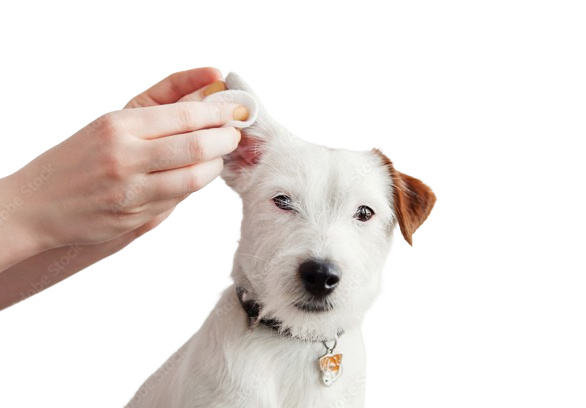
- Ear Cleaning: Regular ear cleaning is essential to remove debris, wax, and infectious materials that can worsen infections. We recommend using Aravah's Pet Ear Wipes for routine maintenance, to keep them clean and prevent discomfort and odors. In cases of active ear infection, especially under your vet's instruction for recurring cases, consider incorporating our Healthy Ear Drops once a week, or as needed. This gentle formula is designed to address issues such as moisture, wax buildup, and unpleasant odors, ensuring optimal ear health for your pet.
- Systemic Medications: Severe infections or those extending beyond the ears may require systemic treatment. Your veterinarian will likely prescribe oral medications such as antibiotics or antifungals to combat the infection throughout your pet's system.
- Pain Management: Ear infections can cause significant discomfort for your pet. Your veterinarian may provide prescription pain relievers or recommend over-the-counter options to alleviate pain and promote comfort.
- Identifying and Treating Underlying Causes: Recurrent ear infections often stem from underlying conditions such as allergies, hormonal imbalances, or anatomical abnormalities. Your veterinarian will conduct thorough assessments to pinpoint these root causes and develop targeted treatment plans to prevent future infections.
- Ear Culture and Sensitivity Testing: In cases of chronic or persistent infections, your veterinarian will likely advise performing a culture and sensitivity test. This diagnostic procedure helps identify the specific bacteria or fungi responsible for the infection, guiding the selection of the most effective treatment approach.
- Follow-up Visits: Regular rechecks with your veterinarian are crucial to monitor treatment progress and ensure the infection has resolved as expected. Depending on your pet's response, additional treatments or adjustments to the treatment plan may be recommended for optimal results."
Most uncomplicated ear infections resolve within 1-2 weeks with appropriate treatment. However, severe infections may take longer to resolve or become chronic problems. In such cases, surgical intervention like a Total Ear Canal Ablation (TECA) may be recommended to prevent recurrence.
Preventive Measures
Prevention is key to avoiding ear infections:
- Ensure thorough drying of the ears after every swim or bath.
- Regularly clean your pet's ears with products like Aravah Pet Ear Wipes and Healthy Ear Drops, designed to remove discharge, dead skin cells, excess wax, and promote a healing process.
- Schedule routine check-ups with your veterinarian to monitor ear health.
With love,
Aravah